
Basement Remodeling in Brooklyn: Moisture, Venting, and Layout Mistakes to Avoid
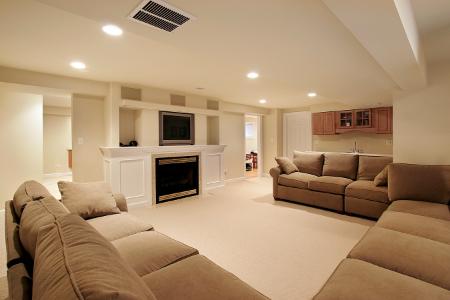
Basements in Brooklyn carry unique challenges. Older rowhouses in neighborhoods like Park Slope, Bed‑Stuy, and Bay Ridge often sit over damp soil, near the coast, and beside aging storm lines. If you are planning a refresh or a full transformation, make sure you avoid the most common mistakes with moisture control, fresh air, and room layout. The best first step is a design plan that bakes in solutions from day one, which is why many homeowners start with our basement remodeling service at Just Right Home Improvement LLC.
Why Brooklyn Basements Behave Differently
Many basements here were never meant to be living space. Fieldstone or block walls, thin slabs, and limited drainage are common from Crown Heights to Marine Park. Add summer humidity rolling off Jamaica Bay and winter freeze‑thaw cycles, and you get a space that demands extra care before finishing.
On rain‑intense days, groundwater can push vapor through hairline cracks. In summer, warm air sneaks in, cools against the foundation, and leaves condensation. Without the right strategy, finishes trap that moisture and feed mold behind the walls.
Moisture Mistakes To Avoid Before You Finish
Moisture is the number one reason finished basements in Brooklyn fail early. Skipping a few key steps can lead to smells, cupping floors, and stained paint. Here are errors we see most:
- Never cover foundation walls without a moisture plan. Putting studs and drywall against cool concrete invites hidden condensation.
- Ignoring capillary rise from the slab. Moisture can wick upward into plates and flooring if they are not isolated.
- Choosing the wrong “vapor barrier.” Wrong side or wrong product can trap moisture inside the wall.
- Using carpet over concrete without proper underlayment in damp zones like Sheepshead Bay or Flatlands.
- Skipping drainage evaluations when you notice musty odors after summer thunderstorms.
Most homes benefit from a layered approach: manage bulk water outside, control vapor at the foundation, and stabilize humidity indoors. The right sequence depends on the building and season. A tailored design keeps finishes dry rather than fighting symptoms later.
Venting and Indoor Air Quality Decisions
Fresh air is only half the story. Exhaust paths and pressure balance matter just as much in a tight basement. Bathrooms, laundry closets, and small gyms need dedicated ducted exhaust that reaches the exterior. Short, smooth duct runs and backdraft dampers help keep moist air from drifting back inside.
Do not vent a bath fan into a joist bay or soffit. That only relocates moisture. Likewise, dryers require smooth, rigid ducting with minimal turns to reduce lint build‑up and heat. If you plan a compact kitchenette or a hobby space with fumes, include make‑up air in the design so equipment can exhaust effectively without pulling damp air through wall cracks.
In many Brooklyn basements with low headroom, balanced ventilation keeps air fresh without losing comfort. Small heat‑recovery or energy‑recovery ventilators can be designed to fit tight utility corners while protecting indoor air quality.
Layout and Egress Planning Pitfalls
Basement layouts are a puzzle. You are working around beams, posts, gas meters, and cleanouts. The biggest mistake is treating egress like “just a window” to figure out later. The safe path out should influence room placement, furniture plans, and even ceiling bulkheads from the start.
Plan egress early in design, not during framing. Think through door swings, clear hall widths, and the path from bedrooms or media rooms to the exit. Keep utilities accessible. Framing over a shutoff or a cleanout looks neat until you need it in a hurry.
- Group noisy rooms near the stair to keep quiet zones deeper inside.
- Avoid long dead‑end corridors that complicate the route out.
- Place baths and laundry back‑to‑back to shorten vent and drain runs.
- Leave serviceable space in front of panels, meters, and sump systems.
Choosing Materials That Can Handle Humidity
Materials should fit the basement, not just the mood board. In neighborhoods like Williamsburg and Greenpoint where river breezes raise summer humidity, finishes must stand up to moisture swings. Concrete‑friendly flooring systems, treated plates, and wall assemblies that can dry toward the interior are safer choices than carpet and fiberboard trims.
A few smart picks:
Skip vapor‑trapping wallboard at the foundation. Use finishes and insulation strategies designed for concrete or masonry so the assembly can dry if needed. Favor rigid or closed‑cell components where appropriate, and select trim that will not swell with seasonal changes.
Sound, Light, and Comfort People Forget
Basements amplify sound from the street, stoop traffic, and upstairs footsteps. Plan for acoustic control between floors so your movie night in Midwood does not shake the kitchen above. Low ceiling heights mean light matters too. Use layered lighting with dimmable cans set away from ductwork, wall washers to open narrow rooms, and task lighting near desks or craft areas.
Thermal comfort is often overlooked. Extend conditioned air thoughtfully and seal leaks. Avoid dumping cold air near short bulkheads that already feel cool. A small, dedicated zone or smart dampers help you fine‑tune comfort without overworking the main system.
Drainage and Sump Strategy That Matches The Block
Blocks can differ house by house in Brooklyn. Some backyards sit just a bit lower than the street, making surface water linger after a storm. If your neighbors in Kensington mention their sump running hard after rain, that is useful context. Good design notes how water moves across the lot and through the slab before any framing starts.
Backwater valves, interior drainage channels, or improved grading may be part of a full plan. The right solution varies by building age, soil, and history of water events. A careful assessment saves headaches later when the basement is full of furniture and electronics.
Scheduling Around New York City Weather
Moisture loads shift by season. Summer in Brooklyn brings sticky air and frequent storms. Late fall can be dry and forgiving. Your timeline should respect those swings. For example, painting and flooring benefit from steady indoor humidity. Temperature and humidity control during construction protect adhesives, sealants, and finishes so they cure the way they should.
Deliveries and access matter too. Narrow streets in Carroll Gardens or Fort Greene, tight stoops, and shared driveways affect staging. A builder who plans around the block avoids delays and keeps neighbors happy.
Red Flags During Design Reviews
When you look over drawings or a scope, watch for cues that moisture and air were an afterthought:
- No mention of vapor control at the foundation wall or slab.
- Bath fan duct routes longer than they need to be, or pointed at soffits.
- Bedrooms with only interior windows or no clear path to an exit.
- Carpet specified wall to wall over concrete without a separation layer.
If you spot any of these, ask how the team will address them before construction. A few clarifications now protect the investment for years.
How Just Right Home Improvement LLC Designs Dry, Healthy Basements
Our process starts with the building and the block, not a generic checklist. We look at seepage history, neighborhood drainage, and existing mechanicals, then right‑size ventilation and dehumidification. This approach helps homes from Bergen Beach to Sunset Park stay comfortable through muggy August days and wet springs.
Curious where to begin? See a full overview of what we do on our services, or explore how our team delivers basement remodeling specialists who bring moisture, venting, and layout thinking into one plan. You can also learn more about basement remodeling in brooklyn with guidance tailored to local homes and weather.
Design Details That Pay Off In Daily Life
Small choices make a big difference downstairs. Choose durable, easy‑clean wall and floor trims where kids play. Add a landing zone for wet umbrellas near the stair. Place outlets where gaming setups or treadmills actually live so you avoid cords crossing traffic paths. If you love to host, pre‑wire for speakers and include extra circuits for coffee makers and warming drawers so lights do not dim when you entertain.
Think about storage that grows. Tall shelves for seasonal bins, low cabinets for toys, and a closet with a slatted door where a dehumidifier can breathe. These touches keep the space flexible as your needs change.
Common Questions We Help You Solve
Every home is different, but most families ask similar things at the start. How do we keep the new family room quiet? What finishes look great without worrying about a damp week in July? Where do the bath and laundry vents go so they do not leak back? The right answers come from a plan that ties structure, air, and layout into one design.
Ready To Remodel Your Basement The Right Way?
If you want a basement that feels dry, quiet, and bright through Brooklyn’s seasons, talk with Just Right Home Improvement LLC. We will help you avoid the big mistakes and build a space that lasts. Start a conversation now or review what is included in our basement remodeling service. Call us at 718-602-4843 to plan a visit and get a design that fits your home, your block, and your life.
Start Your Project with the ExpertsBook a Consultation With Our Renovation Company In Brooklyn Today